

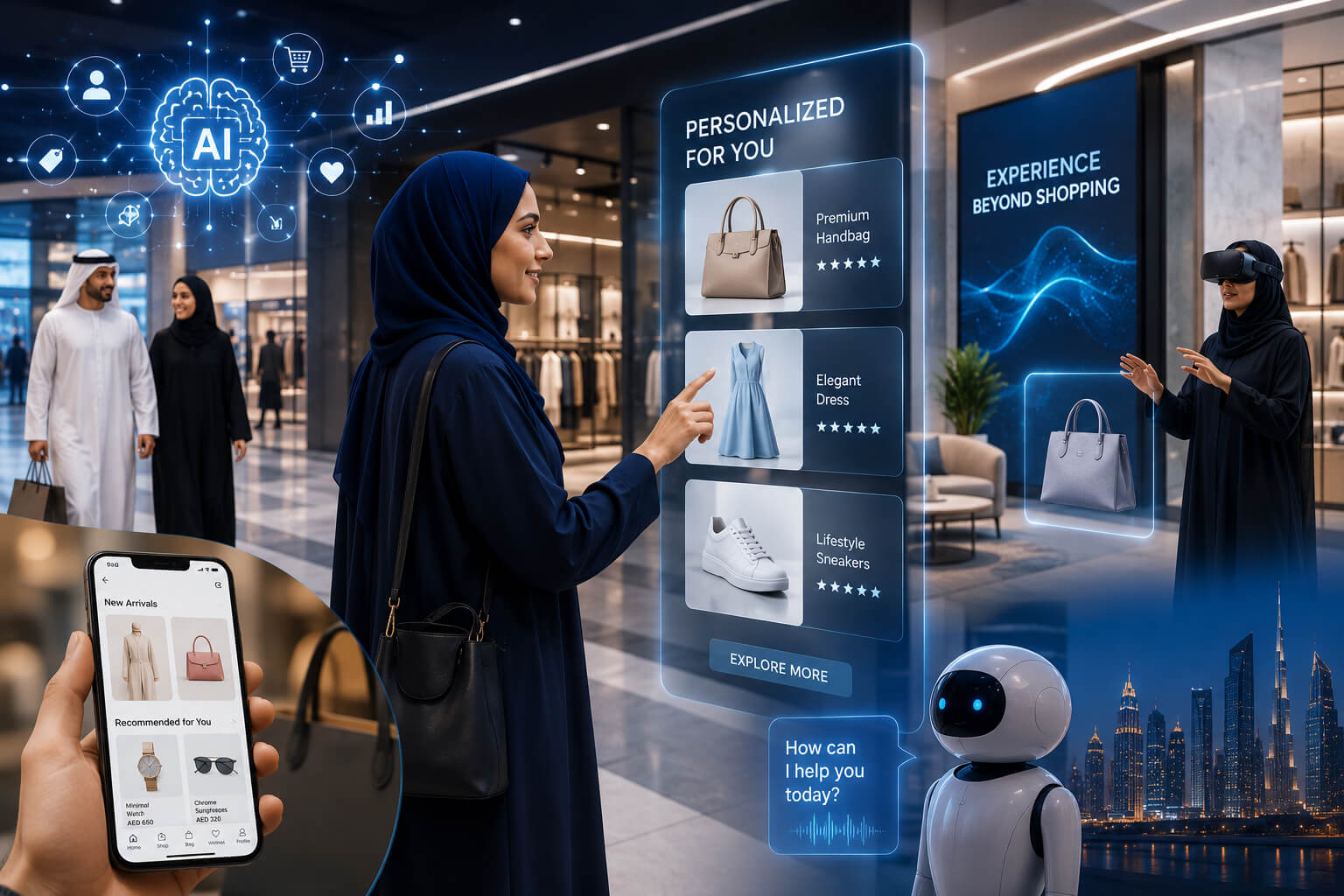
The GCC retail sector is undergoing one of its most significant transformations in years. Across the UAE, Saudi Arabia, Qatar, Bahrain, Kuwait and Oman, retail is no longer defined only by physical stores, shopping malls or traditional footfall. Instead, the industry is moving toward a more connected model driven by data, artificial intelligence, digital platforms and experience-led growth.
For free zone businesses in the UAE and wider Gulf region, this shift is creating new opportunities in e-commerce, logistics, retail technology, digital payments, data analytics, customer engagement and AI-powered solutions. As consumer expectations evolve, retailers are being pushed to rethink how they attract, serve and retain customers in an increasingly competitive market.
GCC Retail Is No Longer Just About Physical Space
For decades, the GCC retail industry was strongly linked to malls, premium shopping destinations and large-format stores. These physical spaces remain important, especially in markets such as Dubai, Abu Dhabi, Riyadh and Doha, where malls continue to serve as lifestyle, entertainment and tourism hubs.
However, physical space is no longer enough on its own. Today’s consumers expect a seamless journey across online and offline channels. They may discover a product on social media, compare prices through an app, visit a store to experience the product, and complete the purchase online or through a digital wallet.
This has changed the role of retail real estate. Stores and malls are becoming experience centres rather than simple sales points. Retailers are investing in entertainment, hospitality, events, personalisation and digital integration to keep customers engaged.
AI Is Reshaping the GCC Retail Experience
Artificial intelligence is becoming a key driver of the new retail economy in the Gulf. Retailers are using AI to understand customer behaviour, improve inventory planning, personalise promotions and support faster decision-making.
AI-powered systems can analyse customer preferences, shopping patterns and purchase history to recommend relevant products. This helps retailers deliver more personalised experiences both online and in-store.
For example, a fashion retailer can use AI to suggest items based on a customer’s previous purchases, browsing behaviour or local trends. A grocery retailer can forecast demand more accurately and reduce waste. A mall operator can study visitor movement data to improve tenant mix, parking flow and customer engagement.
This is especially important in the GCC, where consumers are highly connected, mobile-first and increasingly comfortable using digital services.
Data Is Becoming the New Retail Asset
Data is now one of the most valuable assets in the retail industry. Every transaction, website visit, loyalty programme interaction and social media engagement provides insight into what customers want.
Retailers that use data effectively can make better decisions on pricing, product selection, marketing and store design. Instead of relying only on broad market assumptions, businesses can create more targeted strategies based on real customer behaviour.
In the GCC, this is helping retailers move away from one-size-fits-all models. Customer preferences can vary significantly between Dubai, Riyadh, Doha and other markets. Data allows brands to localise their approach and deliver more relevant experiences.
For free zone companies, this opens opportunities in data management, cloud services, analytics platforms, customer relationship management and AI-powered retail solutions.
Omnichannel Retail Is Becoming the Standard
The modern GCC customer expects convenience. They want to shop when, where and how they choose. This is why omnichannel retail is becoming essential.
Omnichannel retail connects physical stores, websites, mobile apps, social media platforms, delivery networks and customer service systems into one unified experience.
A customer may order online and collect in-store. Another may browse products in a mall and later receive a personalised promotion through an app. Others may complete purchases directly through social commerce platforms.
This model requires strong digital infrastructure, reliable logistics, secure payment systems and integrated customer data. UAE free zones are well positioned to support this growth because they offer business-friendly environments for e-commerce, logistics, technology and international retail operations.
Experience-Led Growth Is Defining the Future
As online shopping continues to grow, physical retail must offer something digital platforms cannot fully replace: experience.
This is why malls and retailers across the GCC are investing in entertainment, dining, wellness, events, immersive technology and community-focused spaces. The goal is to give customers a reason to visit beyond simply buying products.
Retail destinations are becoming lifestyle ecosystems. A mall visit may include shopping, dining, cinema, fitness, family entertainment, cultural events and digital activations. This makes customer experience a key growth strategy.
Luxury brands, fashion retailers, beauty companies and food and beverage operators are also using experience-led strategies to build stronger emotional connections with customers.
What This Means for UAE Free Zone Businesses
The transformation of GCC retail presents major opportunities for businesses operating in UAE free zones. As the sector becomes more digital, demand is rising for companies that can support the retail value chain.
Key opportunities include:
E-commerce platforms: Retailers need scalable online stores, marketplaces and mobile-first shopping solutions.
Logistics and fulfilment: Faster delivery, warehousing, last-mile solutions and inventory management are becoming essential.
AI and data analytics: Retailers need tools to understand customers, forecast demand and personalise offers.
Digital payments: Secure, fast and flexible payment systems are critical for modern retail.
Retail technology: Smart mirrors, digital kiosks, loyalty apps, customer engagement platforms and in-store analytics are gaining importance.
Marketing and social commerce: Brands need content, influencer partnerships, paid media and social selling strategies to reach digital-first consumers.
For entrepreneurs and investors, UAE free zones provide a strong base to launch or expand retail technology and digital commerce businesses across the GCC.
The GCC Retail Market Is Becoming More Competitive
As more global and regional brands expand across the Gulf, competition is intensifying. Retailers can no longer depend only on location or brand recognition. They must deliver value, convenience, personalisation and memorable experiences.
AI and data are helping businesses achieve this, but technology alone is not enough. Successful retailers will be those that combine digital innovation with human-centred service.
Customers still value trust, quality, convenience and emotional connection. The future of GCC retail will belong to businesses that can combine technology with meaningful customer experiences.
Conclusion
GCC retail is moving beyond physical space into a new era shaped by AI, data, omnichannel commerce and experience-led growth. Malls and stores will continue to play an important role, but their purpose is changing. They are becoming connected, data-driven and experience-focused destinations.
For UAE free zone companies, this transformation creates strong opportunities across e-commerce, logistics, retail technology, digital payments, AI and customer experience solutions.
As the region continues to invest in digital transformation and economic diversification, the GCC retail sector is set to become more innovative, competitive and customer-focused than ever before.
