

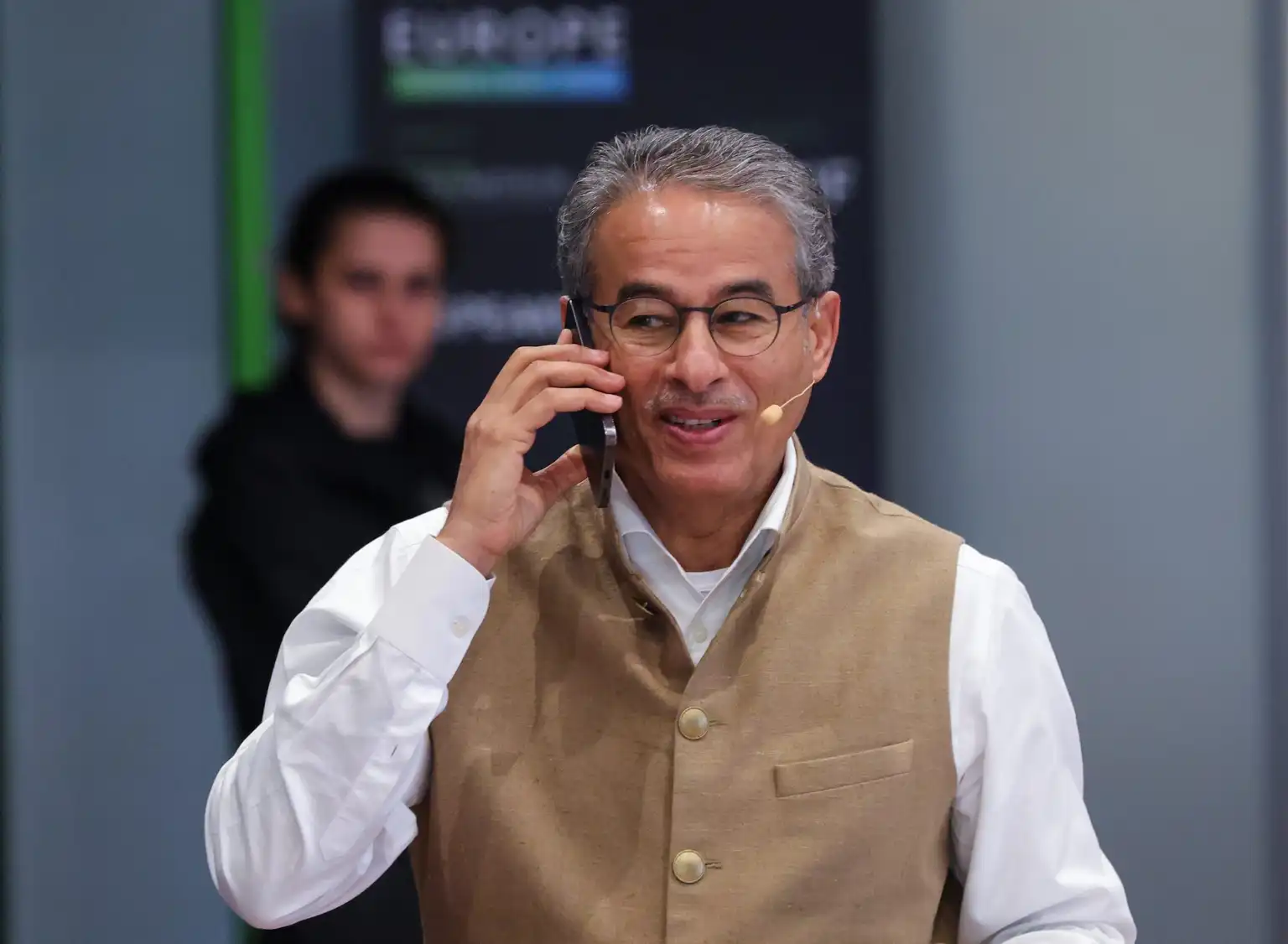
Dubai-based food and consumer goods group IFFCO has attracted interest from prominent UAE investors, including businessman Mohamed Alabbar and Abu Dhabi’s International Holding Company. This comes as the company continues to navigate one of the region’s most closely watched debt restructuring cases.
IFFCO, one of the UAE’s best-known privately held food groups, has been under pressure after talks with creditors over its debt burden failed to deliver a full resolution. The company, which is behind major brands such as London Dairy, Tiffany and Noor, has been reported to carry around $2 billion in debt.
The situation has drawn attention across the UAE business community. This is because IFFCO is not only a major food producer and distributor, but also a significant player in regional supply chains. Furthermore, any restructuring or potential investment deal will have implications for lenders, suppliers, employees and the wider fast-moving consumer goods sector.
UAE investors eye IFFCO debt restructuring
The interest from high-profile UAE investors hints that IFFCO’s assets could still have strategic value despite its financial woes. Mohamed Alabbar is best known for building big retail, property and e-commerce businesses. Also, he has a long history of investing in consumer-facing companies.
International Holding Company, one of the biggest investment groups in Abu Dhabi, has also been on an expansion drive across multiple sectors in recent years. Its reported interest in IFFCO is a further signal of the continued appetite among investment firms based in the UAE. These firms are seeking big regional businesses with established brands, distribution networks and manufacturing capabilities.
For investors, IFFCO’s appeal lies in its scale. The group operates across several markets. In addition, it has a portfolio spanning edible oils, packaged foods, frozen products, personal care, animal feed, packaging and logistics.
Creditors Seek Control as Debt Talks Stall
IFFCO’s restructuring moved into a more serious phase after creditors reportedly sought court intervention following months of negotiations. A lender group led by HSBC has been linked to legal proceedings aimed at protecting creditor interests. These actions are also meant to preserve the value of the company’s assets.
FTI Consulting has also been named in reports as the nominated provisional liquidator. Provisional liquidation does not necessarily mean that a company will stop operating immediately. Instead, it is used in many restructuring cases as a legal tool to protect assets, stabilise the business and create space for negotiations.
IFFCO’s priority will be to preserve operations. Meanwhile, stakeholders consider whether the business can be recapitalised, sold, restructured or split into separate units.
Why IFFCO is Important to the UAE Economy
IFFCO’s situation is important because the company is deeply embedded in the UAE’s food and FMCG ecosystem. The UAE relies heavily on efficient import, processing, storage and distribution networks to support food security and retail supply.
A company of IFFCO’s size plays an important role in keeping products moving across supermarkets, restaurants, wholesalers and export markets. This makes its restructuring more than a financial story. It is also a test of how the UAE handles large private-sector debt cases involving strategically important businesses.
The case comes at a time when regional companies are facing higher financing costs, supply chain pressures and more cautious lending conditions. Furthermore, banks have become more focused on governance, transparency and asset protection when major borrowers struggle to meet obligations.
Potential Outcomes for IFFCO
Several outcomes may be possible as IFFCO’s restructuring develops. For example, a new investor could inject capital into the business. Creditors could agree to revised repayment terms, or selected assets could be sold to reduce debt.
A strategic buyer may also be interested in specific parts of the group. In particular, strong consumer brands, manufacturing units, distribution networks or regional export operations may attract attention.
For Alabbar, IHC or any other potential investor, the main question will be whether IFFCO’s debt can be reduced or reorganised enough to make the business attractive. Any deal would likely require agreement with creditors. Furthermore, a clear plan would be needed to restore confidence in the group’s operations.
Impact on Free Zone and UAE Business Sentiment
IFFCO’s debt restructuring highlights the importance of financial discipline, transparent governance and resilient supply chains for companies operating in the UAE free zones. Large private companies with cross-border operations often have complex creditor relationships. This is particularly true when debt is spread across various jurisdictions.
The case may also affect how lenders assess risk for large family-owned and privately held businesses in the region. In addition, strong corporate governance, clear reporting and a diverse funding base are becoming increasingly important for companies seeking long-term growth in the UAE.
However, the interest in IFFCO by investors indicates that distressed or debt-laden companies with robust underlying assets can still get takers. Moreover, the UAE remains a key regional hub for restructuring and investment and business recovery opportunities.
Outlook
The future of IFFCO will depend on negotiations between creditors, shareholders, prospective investors and court-appointed advisers. The company is under real financial pressure. Yet, its brand portfolio and regional footprint may continue to be of interest to strategic players.
If a deal involving Alabbar, IHC or another investor moves forward, it could reshape one of the UAE’s most prominent food groups. In addition, it could set an important precedent for large corporate restructurings in the Gulf.
For now, IFFCO remains a closely watched case in the UAE business landscape. Investors, creditors and industry observers are waiting to see whether the debt-hit group can secure a path toward recovery.
