


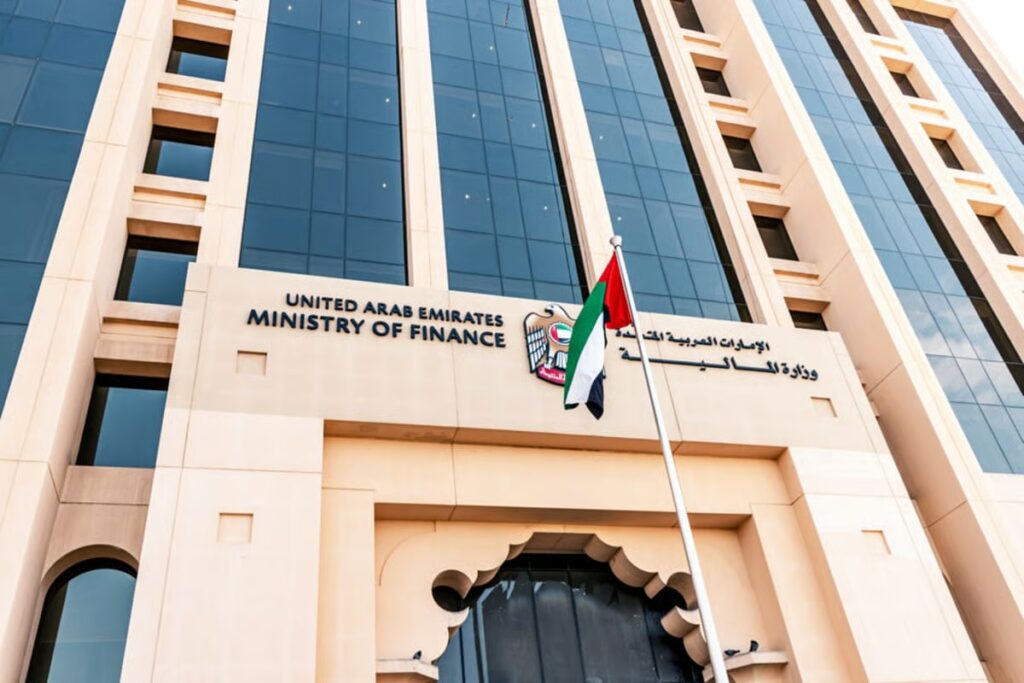
The UAE’s tax revenues continued to strengthen in 2025. Distributed revenues from Value Added Tax and Excise Tax exceeded AED46 billion by the end of the year. This figure represents a 15% increase compared with approximately AED41 billion in 2024. This highlights the country’s growing non-oil fiscal base and the continued maturity of its tax framework.
According to the Ministry of Finance, the revenues were distributed to federal and local governments. This supported public finances across the country. The increase reflects the UAE’s ongoing efforts to diversify government income and strengthen fiscal stability. It also helps create a sustainable funding base for economic and development priorities.
UAE Tax Revenues Support Fiscal Stability
The rise in UAE tax revenues in 2025 demonstrates the increasing importance of VAT and Excise Tax as contributors to public finances. These revenue streams help reduce reliance on hydrocarbon income. Meanwhile, they give federal and local authorities more predictable resources for long-term planning.
The Ministry of Finance said the growth reflects the strength of the UAE’s fiscal approach and its ability to sustain stable government resources. This supports fiscal balance while helping fund services and infrastructure. It also supports national development programmes.
Stronger Tax Framework Boosts Investor Confidence
For businesses and investors, the growth in tax revenues signals a more mature and transparent fiscal environment. The UAE has continued to develop a disciplined tax system based on clear rules and coordination between federal and local authorities. Additionally, it is based on efficient revenue management.
This is particularly important for companies operating in UAE free zones, where regulatory clarity and long-term policy stability remain key factors for international investment. A stronger public revenue framework also supports the UAE’s broader competitiveness as a regional business hub.
VAT and Excise Tax Drive Non-Oil Revenue Growth
VAT and Excise Tax have become important tools in the UAE’s economic diversification strategy. By expanding non-oil government revenues, the country can continue investing in infrastructure, digital transformation, public services, and economic development.
The 15% annual increase in distributed tax revenues also shows the effectiveness of the UAE’s tax collection system. As the economy expands, these revenues are expected to remain an important part of the country’s fiscal planning.
What This Means for UAE Free Zone Businesses
The latest figures underline the UAE’s focus on sustainable fiscal growth and long-term economic resilience. For free zone companies, this means operating in a market where government finances are increasingly supported by diversified revenue sources. This replaces reliance on traditional oil income alone.
A stable fiscal environment can strengthen confidence among entrepreneurs, multinational companies, and foreign investors looking to establish or expand operations in the UAE. It also supports the country’s position as a leading destination for trade, investment, and business setup in the Middle East.
UAE Continues Building a Sustainable Economic Model
The Ministry of Finance said it will continue working with federal and local entities to improve public revenue management. It will also ensure fiscal policies remain ready to respond to future economic growth.
With tax revenues exceeding AED46 billion in 2025, the UAE has taken another step toward strengthening its non-oil financial foundations. The growth supports the country’s wider development agenda and reinforces its reputation as a competitive, transparent, and business-friendly economy.