


Nigeria-UAE Trade Talks Move Back Into Business Mode
Nigeria and the United Arab Emirates are trying to turn warmer diplomatic ties into something more practical: trade, investment, bank openings, energy deals, and wider business access.
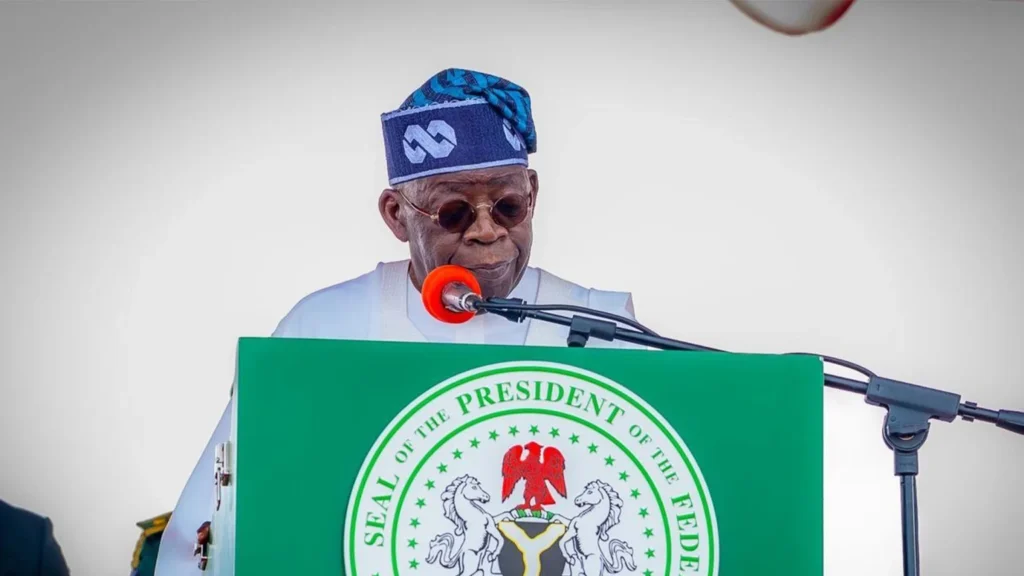
The two countries are now looking at higher trade under the recently signed Comprehensive Economic Partnership Agreement (CEPA), which is expected to open more room for companies on both sides. The discussion followed a meeting in Abuja between Nigerian President Bola Tinubu and the UAE’s Minister of State for Foreign Affairs, Sheikh Shakhboot Bin Nahyan Al Nahyan.
For businesses watching Africa-Gulf trade, this is not a small development. Nigeria is one of Africa’s largest markets, while the UAE has become a major commercial bridge for logistics, finance, aviation, ports, energy and investment across the region.
CEPA Could Open More Doors for Exporters
The Nigeria-UAE CEPA is aimed at cutting trade barriers and giving businesses easier access to both markets. According to Nigerian officials, the agreement is expected to remove tariffs on more than 7,000 Nigerian products entering the UAE and more than 6,000 Emirati products going into Nigeria.
That is the kind of detail exporters pay attention to.
For Nigerian businesses, the UAE market could become a stronger gateway for non-oil products, especially as Nigeria tries to reduce its dependence on crude exports. Agriculture, manufacturing, food products, industrial goods and technology-linked services may get more attention if the agreement is implemented properly.
For UAE companies, Nigeria offers scale. A large consumer market. Infrastructure demand. Energy opportunities. Banking expansion. A young population. Not an easy market, sure, but not one global investors can ignore either.
Non-Oil Trade Already Nears $5 Billion
Nigeria’s Minister of State for Foreign Affairs, Bianca Odumegwu-Ojukwu, said non-oil trade between Nigeria and the UAE has reached around $5 billion. Both governments now want to build on that figure through CEPA and wider economic cooperation.
The interesting part is where the cooperation is being discussed. Not only trade in goods. Officials mentioned agriculture, banking, energy, artificial intelligence, industrialisation and infrastructure.
That mix says a lot. Nigeria wants investment that can support industrial growth. The UAE, meanwhile, is looking deeper into African markets where capital, logistics and digital services can meet long-term demand.
Banking and Energy Ties Are Getting Attention
The financial sector is one area to watch. Odumegwu-Ojukwu pointed to plans by First Abu Dhabi Bank to establish operations in Lagos, which would mark a stronger UAE banking presence in Nigeria.
That could matter for trade finance, corporate banking, investment flows and cross-border transactions between both countries.
Energy is also part of the conversation. The Dangote Petroleum Refinery recently bought its first crude cargoes from the UAE, according to the report. That adds another layer to the relationship, especially as Nigeria’s downstream energy market continues to shift.
UAE-Nigeria Relations Are Recovering After Past Tensions
The current push also comes after a difficult period in Nigeria-UAE relations, when diplomatic disagreements affected travel and commercial activity. Those issues appear to have eased, giving both governments space to talk again about investment, aviation, trade and business movement.
That matters because trade agreements need confidence around them. Companies do not only look at tariff lines. They ask whether travel is stable, whether visas are workable, whether banks can move money, and whether government relations are calm enough for long-term planning.
Right now, both sides seem keen to show that the relationship is back on a more constructive track.
Joint Commission Meeting Could Shape the Next Phase
A Nigeria-UAE Joint Commission meeting is also being prepared. Officials expect it to identify more areas for cooperation, including infrastructure development, innovation, financial services and industrial growth.
That meeting may be where the broader CEPA promise becomes more concrete.
Trade agreements can sound impressive when signed. The real test comes later, when exporters, banks, ports, investors, regulators and companies start using them. If the Nigeria-UAE CEPA leads to easier market entry, faster business setup, more financial links and stronger sector partnerships, then the deal could become more than another diplomatic headline.
For now, Nigeria and the UAE are clearly trying to move the relationship into a more commercial phase. And for companies looking at Africa-Gulf trade, that is worth watching.
Source: The Guardian