
South Korean consumer brands are stepping up efforts to expand across the Middle East and North Africa (MENA), with the United Arab Emirates and Morocco emerging as important gateways for international trade.
The Korea International Trade Association (KITA) organised a trade mission from October 26 to 29, 2026, bringing eight Korean companies from the cosmetics, medical supplies and food sectors to explore new export opportunities.
Dubai was a major stop on the mission. Korean exporters met regional retailers and distributors at Dubai Airport Freezone (DAFZ), seeking partnerships that could help their products reach customers across the UAE and neighbouring markets.
The delegation also visited Morocco, where discussions focused on consumer goods exports and opportunities for broader industrial cooperation.
For the UAE, the initiative highlights the growing importance of its free zones in connecting international manufacturers with Middle Eastern markets.
Dubai Airport Freezone Connects Korean Brands With Regional Retailers
Dubai Airport Freezone served as a meeting point for Korean exporters and established regional buyers during the trade mission. Eight Korean companies held business discussions with 27 potential buyers, including representatives from Landmark Group, Lulu Group, Choithrams and Al Maya Group.
These companies operate extensive retail and distribution networks across the UAE and other regional markets. For Korean manufacturers, securing relationships with such businesses could provide a faster route to consumers than developing independent distribution operations.
The meetings also demonstrate the commercial role played by Dubai’s free zones. Beyond providing facilities for international businesses, free zones such as DAFZ can support trade connections, logistics arrangements and market access.
For Korean brands considering a longer-term presence in the region, Dubai offers access to established importers, retailers and service providers. Whether individual companies eventually establish local offices or distribution facilities will depend on the outcome of their commercial discussions.
Korean Beauty Products Gain Momentum in the UAE Market
South Korea’s cosmetics industry has experienced remarkable growth in the UAE, reflecting the wider international appeal of Korean skincare and beauty products.
According to figures reported by Korea JoongAng Daily, Korean beauty exports to the UAE increased from approximately $31 million in 2020 to $287 million in 2025. That represents more than ninefold growth over five years, making the Emirates an increasingly attractive destination for Korean cosmetics manufacturers.
The popularity of Korean entertainment and beauty trends has helped introduce more consumers to Korean skincare products. Demand for innovative formulations, established beauty brands and specialised skincare routines has also contributed to the sector’s international expansion.
Dubai’s retail environment provides Korean brands with opportunities to reach both residents and international visitors. Its position as a regional trading centre also makes it relevant for companies planning to distribute products beyond the UAE.
Still, expanding into the Middle East requires more than consumer recognition. Manufacturers must consider product registration, local regulations, pricing and distribution arrangements before entering new markets.
UAE and South Korea Strengthen Cooperation in Halal Consumer Markets
The trade mission also included discussions on expanding Korean products into halal-oriented consumer markets, an area with considerable commercial potential across the Middle East and North Africa.
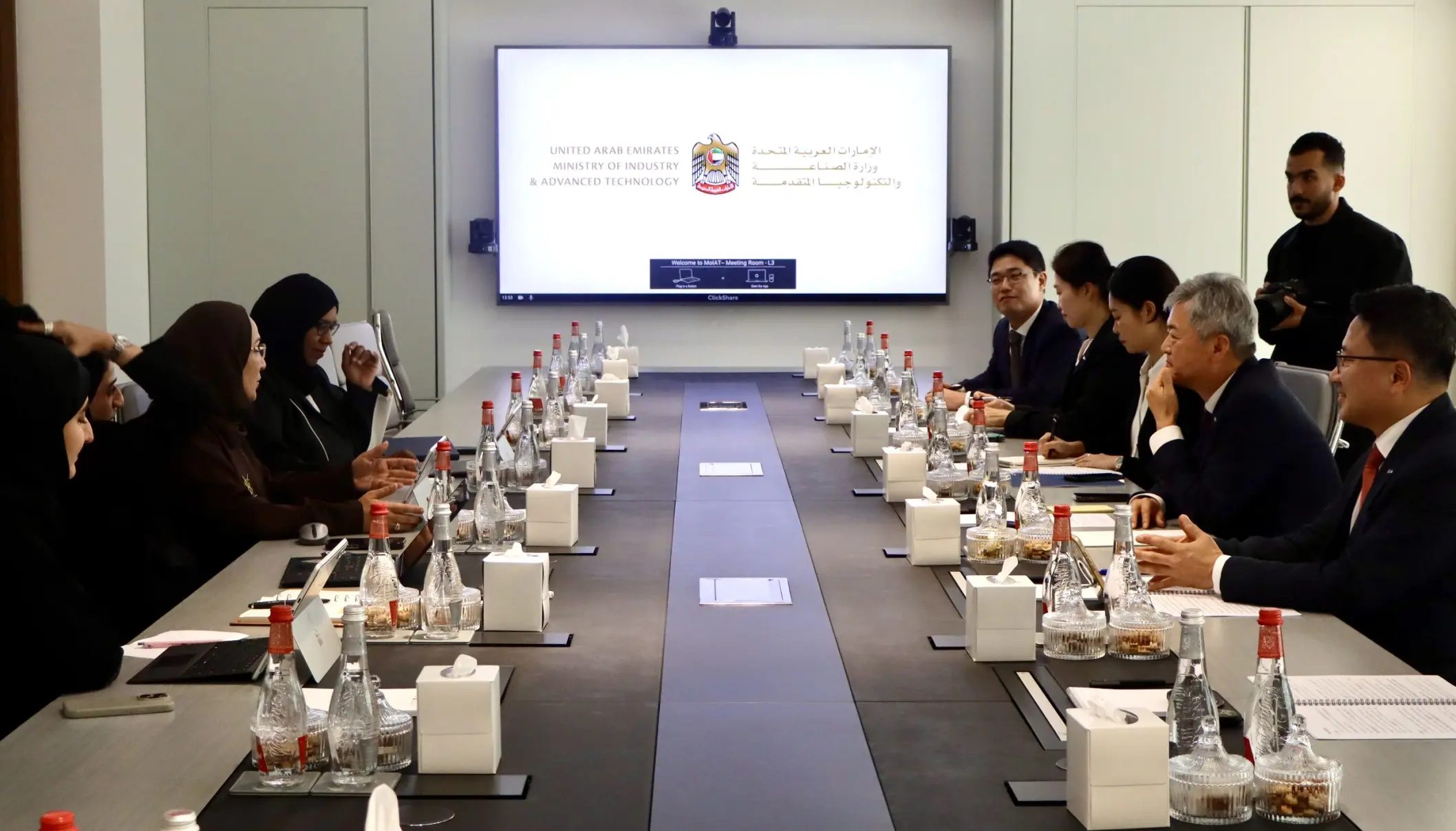
KITA representatives met UAE government and economic development officials, including Farah Al Zarooni from the Ministry of Industry and Advanced Technology and Hadi Badri, CEO of the Dubai Economic Development Corporation.
The discussions explored opportunities for Korean companies to strengthen their presence in markets where halal certification and product compliance can influence purchasing decisions.
For Korean food, cosmetics and personal care manufacturers, understanding halal requirements could open additional distribution opportunities. Certification standards and regulatory obligations vary by product and destination, making local market knowledge particularly important.
The commercial relationship between South Korea and the UAE is also supported by the Comprehensive Economic Partnership Agreement (CEPA), which entered into force in May 2026. The agreement provides a framework for deeper bilateral economic cooperation and could help eligible businesses strengthen trade relationships.
Morocco Emerges as Another Gateway for Korean Exporters
Morocco formed the second major destination of the Korean trade mission, offering companies an opportunity to explore North African consumer markets and potential connections to Europe.
In Casablanca, Korean exporters participated in meetings with 21 Moroccan buyers, including representatives associated with Carrefour. The discussions were arranged with support from the Korea Trade-Investment Promotion Agency (KOTRA).
Morocco’s location and existing international trade relationships make it an attractive option for manufacturers seeking to diversify their export destinations. The country maintains commercial links with European, African and other international markets, providing opportunities that differ from those available through the UAE.
The visit also included talks on industrial cooperation. KITA Executive Vice Chairman Lee In-ho met Moroccan industry official Fadel Youssef in Rabat on October 29, as both countries continued exploring closer economic ties.
For Korean manufacturers, Morocco could complement Dubai’s role in their regional expansion strategies. The UAE provides access to Gulf markets, while Morocco offers a potential foothold in North Africa and links to other international trading partners.
Dubai Free Zones Could Benefit From Growing Korean Investment Interest
The Korean trade mission presents an opportunity for Dubai’s free zone sector as more international manufacturers examine the UAE as a base for regional business operations.
Companies entering the Middle East often require distribution partnerships, warehousing, logistics services and local commercial representation. Dubai’s free zones offer infrastructure and business environments designed to support many of these activities.
Dubai Airport Freezone is particularly relevant because of its proximity to Dubai International Airport and its established connections with international trade and logistics networks.
For Korean cosmetics, food and medical supplies businesses, these advantages could become increasingly important as regional sales expand.
However, the October trade mission was primarily focused on buyer meetings and economic cooperation. The reported information did not identify specific new free zone registrations or investment commitments resulting from the visit.
Any future investment decisions would depend on commercial demand, regulatory requirements and the business strategies of the participating companies.
South Korea Seeks Long-Term Growth Across the MENA Region
South Korea’s interest in the UAE and Morocco reflects a wider effort to diversify export markets and strengthen the international presence of Korean consumer brands.
KITA has identified both countries as promising commercial gateways, supported by their strategic locations and growing consumer interest in Korean products.
The UAE offers established retail networks, modern logistics infrastructure and access to Gulf markets. Morocco provides a different opportunity through its North African location and international trade relationships.
For Korean companies, developing successful partnerships in both countries could create a stronger foundation for expansion across the wider MENA region.
Dubai stands to benefit from this activity as international brands explore opportunities to establish regional distribution networks and business operations.
The immediate focus remains on turning trade discussions into actual commercial agreements. Longer-term investments, including potential free zone operations, may follow if Korean exporters build sufficient demand in the region.
With Korean beauty, food and consumer products gaining international recognition, the UAE’s position as a trading hub is likely to remain an important part of South Korea’s regional expansion strategy.
Sources
- Korea JoongAng Daily – Korean Brands Target MENA Through UAE and Morocco
- Korea International Trade Association (KITA)
- Dubai Airport Freezone (DAFZ)
- Korea Trade-Investment Promotion Agency (KOTRA)
- UAE Ministry of Industry and Advanced Technology
