


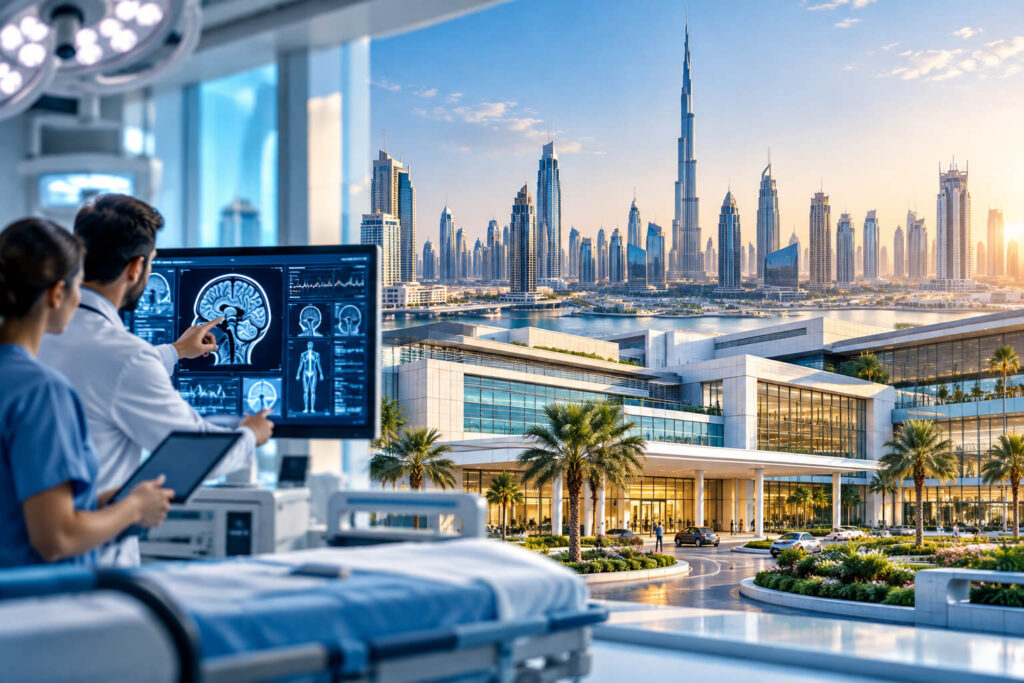
Dubai’s healthcare industry continues to expand, with new figures showing steady growth in medical facilities, healthcare professionals and specialised services during the first half of 2026.
According to the Dubai Health Authority (DHA), the number of licensed healthcare facilities increased by 7%, reaching 5,931 compared with 5,541 during the same period in 2025. The expansion reflects growing demand for medical services and continued investment in the emirate’s healthcare infrastructure.
The figures, released on October 15, 2026, also highlight growth in pharmacies, home healthcare services and medical centres. For international healthcare companies and investors, the latest developments offer a closer look at Dubai’s expanding medical services market.
Dubai Healthcare Workforce Exceeds 70,000 Professionals
Dubai’s expanding healthcare network is creating greater demand for qualified medical professionals. During the first half of 2026, the number of licensed healthcare workers reached 70,566, representing a 6.5% increase from 66,277 during the corresponding period last year.
Women accounted for 47,927 licensed professionals, while men represented 22,639. The figures reflect the scale of Dubai’s healthcare workforce and the growing number of specialists supporting its medical facilities.
Obstetrics and gynaecology, paediatrics and dermatology were among the specialties recording notable growth. These areas play an important role in meeting the healthcare needs of Dubai’s expanding population.
For private healthcare operators, the increase in licensed professionals supports plans to introduce specialised treatments, expand existing clinics and establish additional medical facilities. However, recruiting qualified workers and meeting professional licensing requirements remain important considerations for companies entering the market.
Home Healthcare Services Experience Significant Expansion
Home healthcare emerged as one of Dubai’s fastest-growing medical service categories during the first half of 2026. The number of licensed home healthcare facilities rose by 22.7%, increasing from 203 to 249 within a year.
The growth highlights increasing interest in healthcare services delivered outside traditional hospitals and clinics. Home nursing, rehabilitation, patient monitoring and post-treatment support are becoming important parts of modern healthcare delivery, particularly for patients who require ongoing medical assistance.
For healthcare entrepreneurs, this segment presents opportunities to develop specialised home nursing services, rehabilitation programmes and technology-supported patient care solutions. Companies providing medical equipment and remote monitoring systems may also benefit from the wider expansion of home-based healthcare.
The increase in licensed providers suggests that Dubai’s healthcare market is adapting to different patient needs. Rather than relying exclusively on hospital-based treatment, the emirate is developing a broader network of services that can support patients in their homes.
Pharmacies and Specialised Medical Centres Continue to Grow
Dubai’s pharmacy sector also recorded steady expansion, with licensed pharmacies increasing by 6.8% during the first half of 2026. The total reached 1,794, compared with 1,680 during the same period in 2025.
Complementary and alternative medicine centres experienced similar growth. Their number increased by 8.1%, reaching 107 facilities compared with 99 a year earlier. Meanwhile, other healthcare categories, including medical complexes and optical centres, grew by 9.9%, rising from 1,731 to 1,903.
These figures show that Dubai’s healthcare expansion extends beyond major hospitals. Smaller medical facilities, specialised treatment centres and community healthcare providers are also contributing to the industry’s development.
For businesses considering entry into the UAE healthcare market, this diversification creates several potential investment pathways. Pharmacy operations, optical services, specialised clinics and medical supply businesses may offer opportunities depending on local demand and licensing conditions.
Competition remains an important factor. As more healthcare facilities enter the market, operators will need to distinguish their services through quality, accessibility and specialised expertise.
Dubai Health Authority Increases Healthcare Inspections
Alongside the expansion of healthcare facilities, the Dubai Health Authority has strengthened its regulatory monitoring activities to maintain service quality and patient safety.
During the first half of 2026, the authority conducted 5,378 inspection and monitoring visits, marking a 36.3% increase from 3,946 visits during the corresponding period in 2025.
Of the total inspections, 3,154 involved on-site visits, while 2,224 took place through remote inspections and audits. The increased monitoring reflects the authority’s efforts to ensure that healthcare providers continue meeting established operating standards.
Compliance rates also improved during the reporting period. The proportion of healthcare facilities meeting regulatory requirements increased from 75% in the first half of 2025 to 80% in 2026.
For healthcare investors and business owners, the figures underline the importance of regulatory compliance when establishing or expanding medical operations in Dubai. Healthcare providers must maintain appropriate licences, employ qualified professionals and follow the DHA’s requirements for patient care and facility management.
Dubai Healthcare Growth Creates Opportunities for Free Zone Investors
Dubai’s expanding healthcare industry could also generate new business opportunities across the emirate’s free zone ecosystem, particularly for companies involved in medical technology, pharmaceuticals, biotechnology and healthcare support services.
Business destinations such as Dubai Healthcare City and Dubai Science Park already provide environments for healthcare and life sciences companies seeking to establish operations in the UAE.
Dubai Healthcare City supports healthcare providers and businesses involved in medical services, education and related activities. Dubai Science Park, meanwhile, accommodates companies operating across science-focused industries, including pharmaceuticals, biotechnology and medical technology.
The growth in healthcare facilities may encourage demand for supporting businesses such as medical equipment distributors, healthcare software developers, diagnostic technology providers and specialised consultancy firms.
International companies considering expansion into Dubai could explore these opportunities without necessarily operating hospitals or clinics. Businesses offering technology, logistics, medical supplies and administrative support can also participate in the wider healthcare economy.
However, the DHA’s latest report does not provide specific figures for new healthcare investments within Dubai’s free zones. The potential opportunities reflect broader market developments rather than confirmed investment commitments.
Dubai Strengthens Its Position as a Healthcare Investment Destination
The Dubai Health Authority continues to focus on developing a healthcare system capable of supporting population growth, attracting specialised medical expertise and maintaining high standards of patient care.
Dr. Alawi Alsheikh-Ali, Director General of the Dubai Health Authority, highlighted the importance of strengthening healthcare services, supporting professional development and maintaining an investment environment that encourages growth across the sector.
The authority’s efforts include improving regulatory oversight, encouraging specialised healthcare services and supporting the development of medical facilities that can meet changing patient requirements.
Dubai’s healthcare ambitions are also closely connected to its wider economic development strategy. A strong healthcare system supports residents, international professionals and businesses operating across the emirate.
For international investors, the continued expansion of healthcare infrastructure may strengthen Dubai’s appeal as a regional destination for medical services and healthcare-related business activities.
What Dubai’s Healthcare Expansion Means for Businesses in 2026
Dubai’s healthcare sector entered the second half of 2026 with a larger network of medical facilities, more licensed professionals and increasing activity across specialised healthcare services.
The growth of home healthcare providers stands out, while pharmacies, medical complexes and other healthcare facilities continue expanding their presence across the emirate.
For entrepreneurs and international companies, these developments highlight opportunities beyond traditional hospital investments. Healthcare technology, pharmaceutical distribution, medical equipment, patient support services and specialised treatment facilities all form part of the industry’s expanding business landscape.
Dubai’s free zones may provide suitable business environments for certain healthcare-related activities, although licensing requirements vary depending on the services companies intend to offer.
The emirate’s healthcare market is becoming larger and more diverse. With 5,931 licensed healthcare facilities and more than 70,000 medical professionals recorded during the first half of 2026, Dubai continues to strengthen its healthcare infrastructure while creating potential opportunities for businesses operating across the medical services industry.